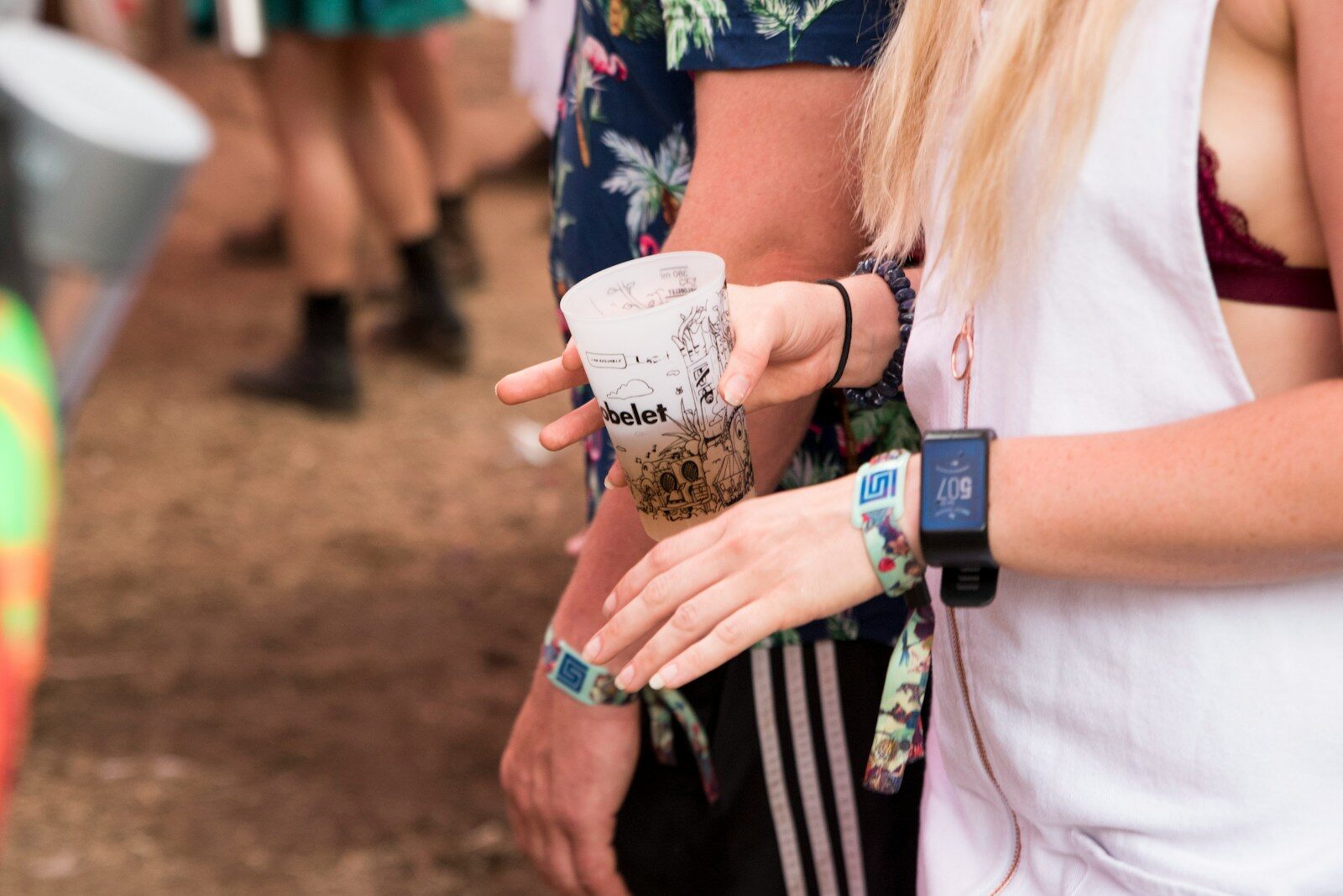
For all the talk of frictionless entry and app-based everything, festivals remain oddly loyal to the wristband. It is not just a practical pass, but a small badge of belonging. You spot them on train platforms on Monday mornings, damp and half-faded, still clinging to wrists like proof of a very specific sort of weekend.
That lasting appeal says something useful about how people experience events. Convenience matters, of course, but so does having something physical. A printed ticket can be lost, a QR code can disappear behind a cracked phone screen, and batteries have a habit of dying at exactly the wrong moment. Organisers know entry systems need to work quickly, in mud, rain, poor signal and the general confusion of a crowd arriving all at once.
That is partly why older technologies keep finding new life. Many large venues and temporary events now mix visible, wearable credentials with systems built around smart cards, not because they sound futuristic, but because they are dependable. They can handle identification, payment and controlled access in one object, which matters far more on the ground than any flashy promise about smooth experiences.
The best event tech is often the least noticeable
When it works, nobody comments. Gates open quickly, staff areas stay secure, and people get on with seeing the band they queued half an hour for. The ideal setup tends to be:
- quick enough to avoid bottlenecks;
- robust enough for outdoor use;
- simple enough for temporary staff to manage.
That may not sound glamorous, but festivals have always been a good test of what technology is actually for. Not novelty or jargon. And certainly not replacing every human interaction with a scan. Just removing a few avoidable headaches so the memorable bits can take centre stage.
Photo by Globelet Reusable.