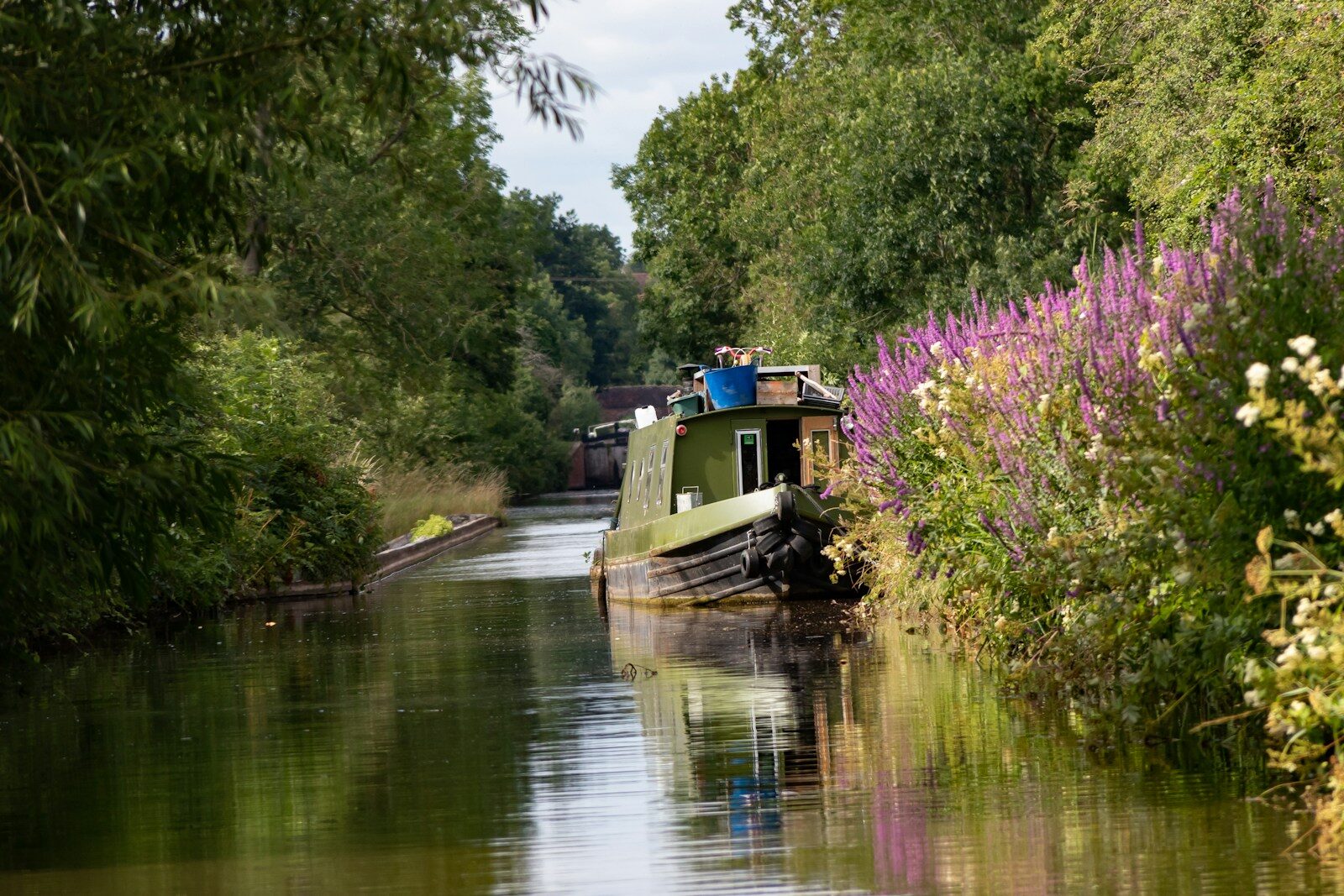
There is a particular kind of British fantasy that returns every late summer: not a villa in the sun or a cottage with roses round the door, but a slower life measured in locks, towpaths and kettles boiling on a small stove. As August wears on and inboxes fill again after half-hearted holidays, the idea of stepping away from the timetable starts to look less romantic and more quietly sensible.
Narrowboats sit at the centre of that daydream because they offer something many forms of travel do not: slowness by design. You cannot hurry a canal. You cannot really multitask through a lock. Even the geography rewards patience, with routes winding through old industrial cuttings, market towns and stretches of countryside most motorists never see. It is not just leisure, either. For some, it is a practical rethink of home, routine and cost.
That helps explain why searches for narrow boats for sale remain so strong. People are not only browsing for a hobby in the way they might eye up a classic car or a caravan. Often they are testing a bigger question: could life be organised differently? A narrowboat can mean weekends away, a long sabbatical, or a full-time move into a smaller, more self-contained world.
What the appeal says about modern life
The lasting interest in canal living says as much about the country as it does about the boats. Many are drawn to:
- lower-speed travel with a clear sense of place
- smaller living spaces that feel intentional rather than cramped
- communities built around moorings, marinas and towpath encounters
None of this means canal life is effortless. It involves maintenance, weather, planning and compromise. But that may be part of the attraction. In a culture obsessed with convenience, the narrowboat still asks something of you, and in return offers a pace that feels increasingly rare.
Photo by Jason Polychronopulos.